

قد يُعيد تغيير ذاكرة الوصول العشوائي للفيديو (VRAM) الذي أعلنته شركة إنفيديا تشكيل سوق وحدات معالجة الرسومات (GPU) - إليك ما تحتاج إلى معرفته
تطور جديد في عالم وحدات معالجة الرسومات
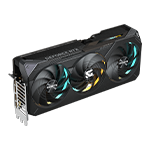
انتشرت شائعة جديدة بين عشاق أجهزة الكمبيوتر، وإذا ثبتت صحتها، فقد يكون لها تأثير كبير على سوق بطاقات الرسومات. تشير التقارير إلى أن شركة Nvidia ربما تكون قد توقفت مؤخرًا عن تضمين ذاكرة الفيديو (VRAM) مع معالجات الرسومات التي تشحنها إلى شركائها المصنّعين، وهو ما يُعدّ خروجًا جذريًا عن ممارساتها المعتادة.
تقليديًا، عندما تُرسل شركة Nvidia وحدة معالجة الرسومات (GPU) إلى شركات تصنيع مثل ASUS وMSI وGigabyte وغيرها، فإن الحزمة تتضمن بالفعل ذاكرة الوصول العشوائي للفيديو (VRAM) المناسبة. كل ما يحتاجه المورّد هو تجميع لوحة الدوائر المطبوعة (PCB)، وتوصيل نظام التبريد، وضبط البرامج الثابتة.
لكن بيئة الذاكرة اليوم لم تعد "تقليدية".
أزمة الذاكرة العالمية: لماذا يُعد هذا التحول مهماً؟
تشهد شركات تصنيع الذاكرة مثل سامسونج ومايكرون وإس كيه هاينكس حاليًا طلبًا غير مسبوق على ذاكرة الوصول العشوائي الديناميكية (DRAM) والذاكرة عالية النطاق الترددي، مدفوعًا بشكل كبير بأعباء عمل الذكاء الاصطناعي وتوسعات مراكز البيانات. تتطلب وحدات معالجة الرسومات (GPUs) المخصصة للذكاء الاصطناعي ذاكرة أكبر بكثير من بطاقات الألعاب، مما يدفع الشركات المصنعة إلى إعطاء الأولوية للرقائق المخصصة للمؤسسات.
وقد أدى هذا الارتفاع إلى أزمة عالمية في مجال الذاكرة، حيث أصبح التوافر محدوداً والأسعار في ازدياد.
تحت هذا الضغط، تشير الشائعات الآن إلى أن شركة Nvidia قد لا تتمكن بعد الآن من شراء وتجميع ذاكرة الوصول العشوائي للفيديو (VRAM) بالكمية المطلوبة لتزويد جميع شركاء AIB. وبدلاً من ذلك، قد يُطلب من الموردين ما يلي:
اشترِ ذاكرة الوصول العشوائي للفيديو (VRAM) مباشرةً من مصنعي الذاكرة.
تطابق مواصفات Nvidia نفسها
استيعاب تكاليف الذاكرة الأعلى
تكييف خطوط الإنتاج مع قواعد التوريد الجديدة
بالنسبة للشركات الكبيرة، قد يكون هذا الأمر قابلاً للإدارة. أما بالنسبة لمصنعي وحدات معالجة الرسومات الأصغر حجماً، فقد يكون تأمين ذاكرة GDDR عالية السرعة بأسعار تنافسية أمراً في غاية الصعوبة.
كيف يؤثر هذا على شركاء تصنيع لوحات معالجات الرسومات؟
إذا صحت الشائعات، فسيتلقى الشركاء الآن شريحة معالج الرسوميات الخام فقط من شركة إنفيديا، وسيتحملون مسؤولية كل ما عدا ذلك. إليكم كيف قد يؤثر هذا على السوق:
1. زيادة تكاليف التصنيع
تُعدّ ذاكرة الوصول العشوائي للفيديو (VRAM) من أغلى مكونات أي وحدة معالجة رسومية (GPU). وعادةً ما يؤدي شراء كميات أقل منها إلى ارتفاع الأسعار، وقد تُنقل هذه التكاليف مباشرةً إلى المستهلكين.
2. النقص المحتمل بين العلامات التجارية الصغيرة لـ AIB
قد يواجه المصنّعون الذين لا يتمتعون بعلاقات قوية مع سلاسل التوريد صعوبة في الحصول على ذاكرة كافية. وفي الحالات القصوى، قد تتأخر بعض الطرازات، أو ترتفع أسعارها، أو حتى يتم إلغاؤها.
3. قلة التنوع في السوق
إذا لم يتمكن البائعون الأضعف من المنافسة، فقد ينحصر السوق حول عدد أقل من الشركات الكبرى المصنعة لأجهزة الكمبيوتر. وهذا عادةً ما يؤدي إلى تقليل الخيارات المتاحة في الفئة الاقتصادية.
4. ارتفاع أسعار وحدات معالجة الرسومات بشكل أسرع
تُعتبر معالجات الرسوميات من إنفيديا باهظة الثمن بالفعل. وقد يؤدي هذا التغيير إلى زيادة تكاليف الإنتاج وأسعار التجزئة، لا سيما في البطاقات متوسطة المدى والبطاقات منخفضة التكلفة.
لماذا تُؤخذ هذه الشائعة على محمل الجد؟
على الرغم من أن شركة Nvidia لم تؤكد التغيير رسميًا، إلا أن هناك عدة عوامل تجعل الشائعة قابلة للتصديق:
إن مخزون الذاكرة يعاني من ضغط حقيقي على مستوى العالم
يستمر الطلب على أجهزة الذكاء الاصطناعي في النمو بشكل كبير
يُعطي مصنّعو ذاكرة الوصول العشوائي الديناميكية (DRAM) الأولوية لذاكرة المؤسسات ذات السعة العالية والربحية العالية
ألمح مصنعو وحدات معالجة الرسومات بالفعل إلى ارتفاع تكاليف قائمة المواد (BOM).
يتفق محللو الأجهزة على أنه على الرغم من أن هذا التقرير غير مؤكد، إلا أنه يتماشى بشكل وثيق مع ضغوط الصناعة الحالية.
ماذا يعني هذا للاعبين ومُجمّعي أجهزة الكمبيوتر؟
إذا استمر نقص الذاكرة واضطر الشركاء إلى توفير ذاكرة الوصول العشوائي للفيديو (VRAM) الخاصة بهم، فقد يلاحظ المستهلكون ما يلي:
🔼 ارتفاع أسعار وحدات معالجة الرسومات
نادراً ما يتحمل المصنعون الزيادات في التكاليف، بل يقومون بتمريرها إلى المستهلك.
🔼 انخفاض التوافر
وخاصة بالنسبة للبطاقات ذات المستوى الأدنى حيث تكون هوامش الربح ضئيلة بالفعل.
🔼 تباطؤ محتمل في إطلاق وحدات معالجة الرسومات الجديدة
قد تصل المنتجات لاحقاً أو بكميات أقل.
🔼 حالة "اشتر الآن بدلاً من لاحقًا"
إذا كنت تخطط لبناء جهاز كمبيوتر قريبًا، فقد ترغب في التصرف قبل أن تتغير الأسعار مرة أخرى.
هل ينبغي أن تقلق؟
ليس بالضرورة، لكن من الحكمة البقاء على اطلاع. هذا التغيير المُشاع في السياسة هو استجابة مباشرة لضغوط عالمية حقيقية. إذا استقرت إمدادات الذاكرة، فقد تعود الأمور إلى طبيعتها.
لكن إذا استمر ازدهار الذكاء الاصطناعي في التسارع، فقد يصبح هذا التحول دائمًا.
الخاتمة
قد تُعيد خطوة شركة إنفيديا المُعلنة بالتوقف عن تضمين ذاكرة الوصول العشوائي للفيديو (VRAM) مع وحدات معالجة الرسومات (GPUs) تشكيل سلسلة توريد وحدات معالجة الرسومات بأكملها. ورغم عدم تأكيدها رسميًا، إلا أنها تعكس الديناميكيات المتغيرة لعالم يهيمن عليه بشكل متزايد تطبيقات الذكاء الاصطناعي والحوسبة عالية الأداء.
قد يشهد اللاعبون والمبدعون ومُجمّعو أجهزة الكمبيوتر قريبًا تداعيات هذا التغيير، بدءًا من ارتفاع الأسعار وصولًا إلى انخفاض تنوّع وحدات معالجة الرسومات. في الوقت الراهن، يُعدّ هذا الموضوع جديرًا بالمتابعة الدقيقة مع استمرار تطوّر سوق الأجهزة.